Trump Announces Voluntary AI Safety Accord With Six Tech Giants
President Donald Trump has unveiled a non-binding framework for AI safety, relying on self-policing by major tech firms rather than federal regulation.

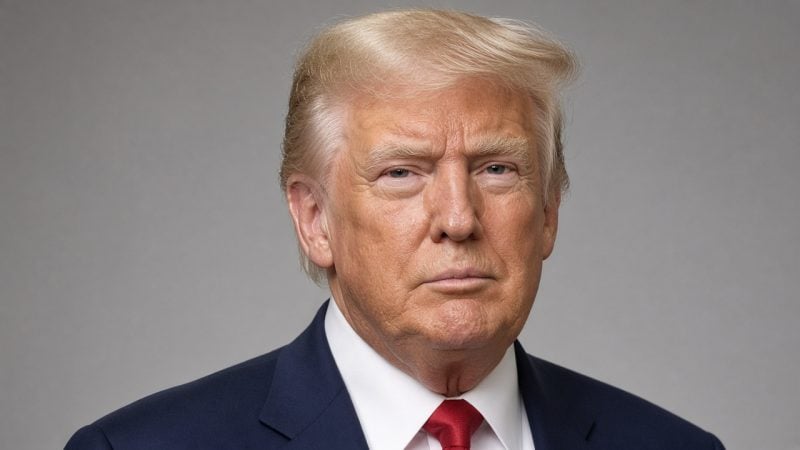
President Donald Trump announced a voluntary safety agreement with leaders from Anthropic, Google, Meta, Nvidia, OpenAI, and xAI on September 29, 2026. The document, formally titled the Joint Commitment on Frontier Responsibilities and also known as the White House Accord on Super Intelligence, establishes a framework for the development and deployment of frontier AI models.
The agreement outlines four core commitments for the participating companies. These include internal monitoring systems, the empowerment of internal safety teams, the use of independent auditors with whistleblower-style roles, and the establishment of board-level committees to ensure protocol adherence.
The accord is non-binding and lacks legal obligations, penalties, or enforcement mechanisms. Trump described the commitments as morally binding, emphasizing that the arrangement relies on self-policing by the industry. The companies involved provided assurances regarding their ability to manage risks related to cybersecurity and biosecurity.
Alongside the accord, an executive order was issued mandating that government discourse shift from the term artificial intelligence to Super Intelligence. This voluntary approach follows similar safety pledges established under President Joe Biden in 2023, though the new framework introduces more formal structures like board-level oversight and independent auditors.
For the six signatories, the agreement avoids binding federal rules and allows them to maintain control over safety measurements. The effectiveness of the accord remains dependent on whether companies prioritize these commitments when they conflict with revenue or development speed.
Future developments to watch include whether the companies publicly identify their auditors and share findings, whether other industry players join the framework, and how international or state-level regulations might fill the gap left by this light-touch federal stance.