Trump Hosts Tech CEOs to Sign Voluntary AI Accord and Backs Data Center Growth
President Donald Trump met with major tech executives on September 29 to establish a voluntary self-regulation framework for AI development while reaffirming his support for data center expansion.

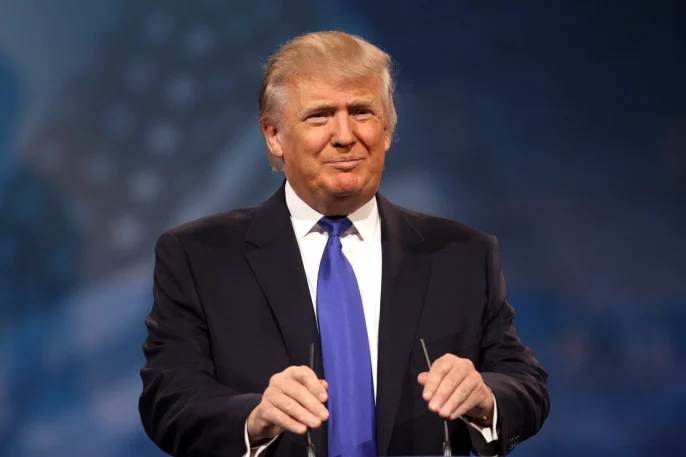
President Donald Trump hosted a White House luncheon on September 29 with leaders from top AI companies, including Elon Musk, Sundar Pichai, and Jeff Bezos. The meeting resulted in the signing of the Accord on Super Intelligence, a voluntary agreement that commits tech firms to conduct internal and external reviews of their AI development processes.
Trump described the agreement as a morally binding deal, positioning it as an alternative to government mandates. He argued that excessive regulation could negatively impact American competitiveness, specifically noting the resources China is dedicating to its own AI capabilities.
During the event, the president reiterated his support for the expansion of data centers across the country. He also urged executives to provide financial support for local initiatives in regions where these facilities are built and to ensure their energy consumption does not increase electricity costs for local residents.
The administration previously addressed energy concerns in March 2026, when companies including Amazon, Google, and Microsoft signed the Ratepayer Protection Pledge. That agreement committed firms to fund or build their own power generation rather than relying on local grids.
Data center projects are currently facing increased resistance from local communities due to concerns over energy consumption. Because AI workloads are more power-intensive than traditional cloud computing, these facilities can require as much electricity as a small city. Projections indicate that data centers could triple US energy demand by 2035.
Opposition to these projects has been bipartisan, with concerns raised by both conservative landowners regarding property values and environmentalists focused on carbon emissions.
In addition to the accord, Trump proposed the potential appointment of an AI czar to coordinate administration policy and suggested renaming artificial intelligence to super intelligence.