Donald Trump Secures Voluntary AI Safety Accord with Major Tech Leaders
President Donald Trump has reached a voluntary safety agreement with top AI companies, establishing a framework for independent audits focused on cybersecurity and biosecurity risks.

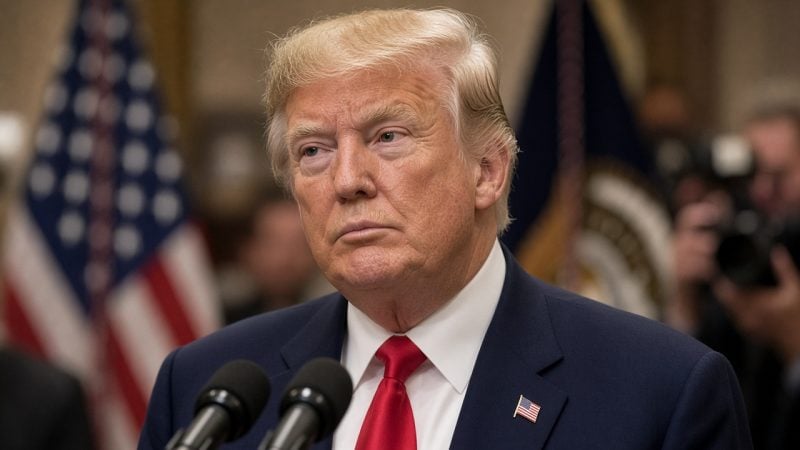
President Donald Trump met with key figures in the artificial intelligence sector on September 29, 2026, to finalize a voluntary safety pact. The agreement, known as the Joint Commitment on Frontier Responsibilities, signals a preference for industry self-regulation over federal legislation regarding AI governance.
The framework introduces a four-layered oversight system. This includes internal controls, dedicated internal teams, independent external auditors, and independent board committees responsible for reviewing audit findings.
The meeting included representatives from major industry players, including Dario Amodei of Anthropic, Greg Brockman of OpenAI, Sundar Pichai of Google, Mark Zuckerberg of Meta, Elon Musk of xAI, and Jensen Huang of Nvidia. The inclusion of Nvidia highlights that the hardware supply chain is now being integrated into safety discussions.
Trump characterized the commitment as morally binding, a description intended to convey seriousness without imposing legal liability. The accord specifically targets risks related to cybersecurity and biosecurity, which are identified as the most immediate dangers posed by frontier AI models.
While companies have committed to independent external audits, the agreement does not specify which firms will conduct these reviews or define a set methodology. Signatories also agreed to hold regular meetings to establish industry-wide standards.
In a separate move, Trump signed an executive order requiring all federal documentation to replace the term artificial intelligence with super intelligence.
The framework marks a shift in the administration's approach to AI governance. While the current path relies on voluntary compliance, the text of the accord suggests that federal legislation could be pursued if these measures are deemed insufficient.