Rising 10-Year Treasury Yields to 6% May Not Spell Trouble for Bitcoin
While some analysts project the 10-year Treasury yield could reach 6%, market experts suggest the catalyst behind the move is more critical for bitcoin than the yield level itself.

Analysts are eyeing a potential climb to 6% for the 10-year Treasury yield, a level not seen since 2000. While rising yields are often viewed as a headwind for risk assets, some market observers argue that bitcoin's reaction depends on the underlying driver of the move.
Markus Thielen, founder of 10x Research, noted that the impact on bitcoin flips depending on why yields are rising. If the Federal Reserve tightens policy, bitcoin typically suffers. However, if yields rise due to fiscal concerns and term premiums, the outlook for bitcoin can be more positive.
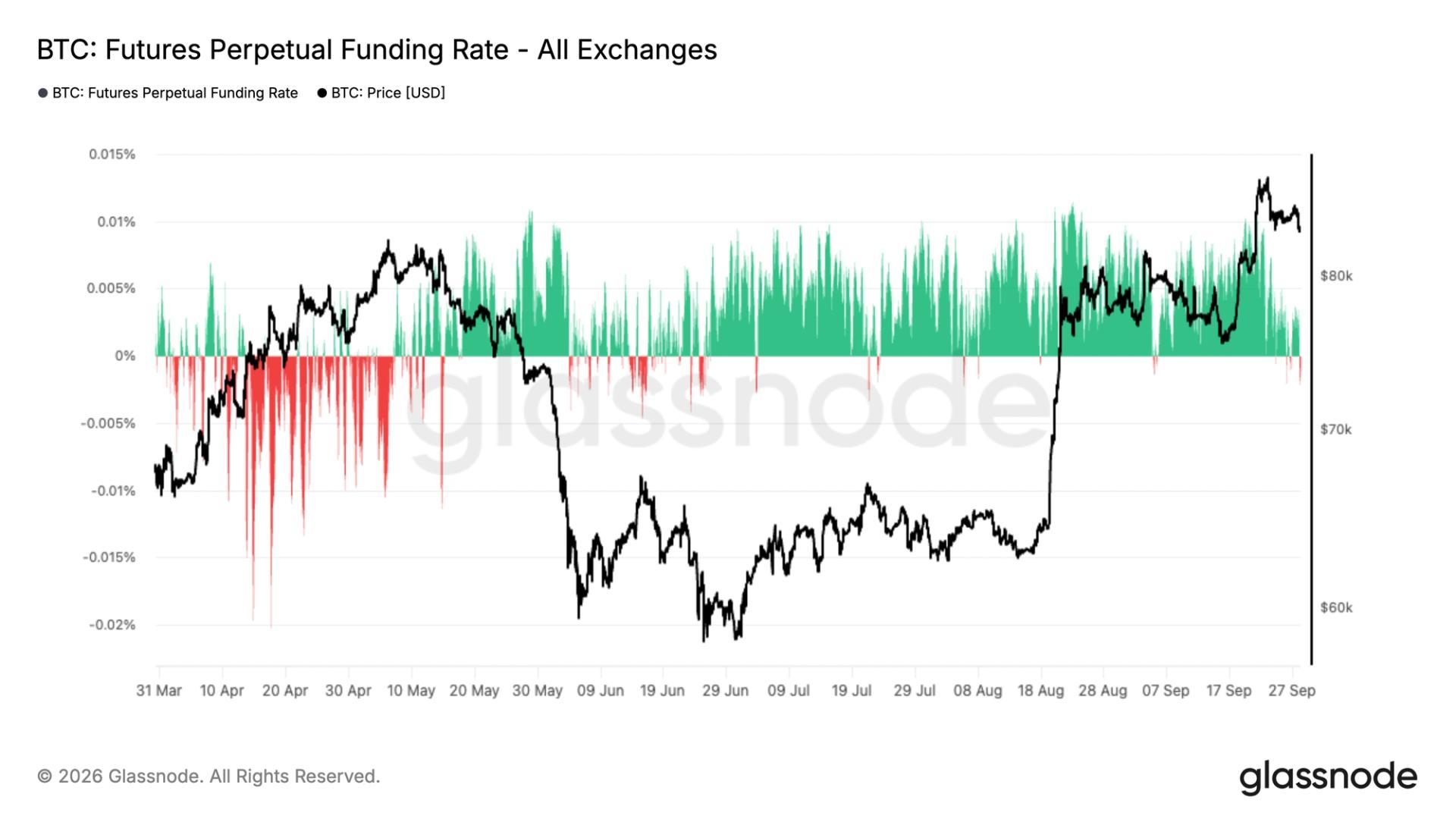
Market data since 2022 illustrates this distinction. During 2022, as the Federal Reserve aggressively hiked rates to combat inflation, the 10-year yield more than doubled to 3.88% and bitcoin fell 64%. In contrast, since the end of 2023, the 10-year yield has risen 135 basis points to 5.23%, yet bitcoin has roughly doubled to $86,000.
The current rise in yields is largely attributed to concerns over federal deficits, debt growth, and competition for capital. Dan Niles, founder of Niles Investment Management, noted that the government is selling bonds to fund persistent deficits while large AI-focused tech companies are simultaneously raising significant capital, creating competition that can push yields higher.
Thielen pointed out that yields remain below nominal GDP growth and significantly below the annual growth rate of federal debt since 2020. This suggests bondholders are not yet being fully compensated for the expansion of the debt stock.
Strategic Analytics observed a similar trend with gold, noting that the asset has increasingly tracked fiscal risk perceptions, such as debt sustainability and currency debasement, rather than the path of Federal Reserve policy. For bitcoin bulls, the primary risk remains a scenario where the Federal Reserve begins raising rates rapidly again, which would mirror the market conditions of 2022.